Life Transitions
Some of the hardest parts of adult life don't come with a name. They're not a diagnosis, not a crisis, not a clear before-and-after. They're the uneasy seasons when something has shifted but you can't quite say what — when an old version of your life doesn't fit anymore, but the new one hasn't completely arrived yet.
What I work with
The transitions that bring people to me most often:
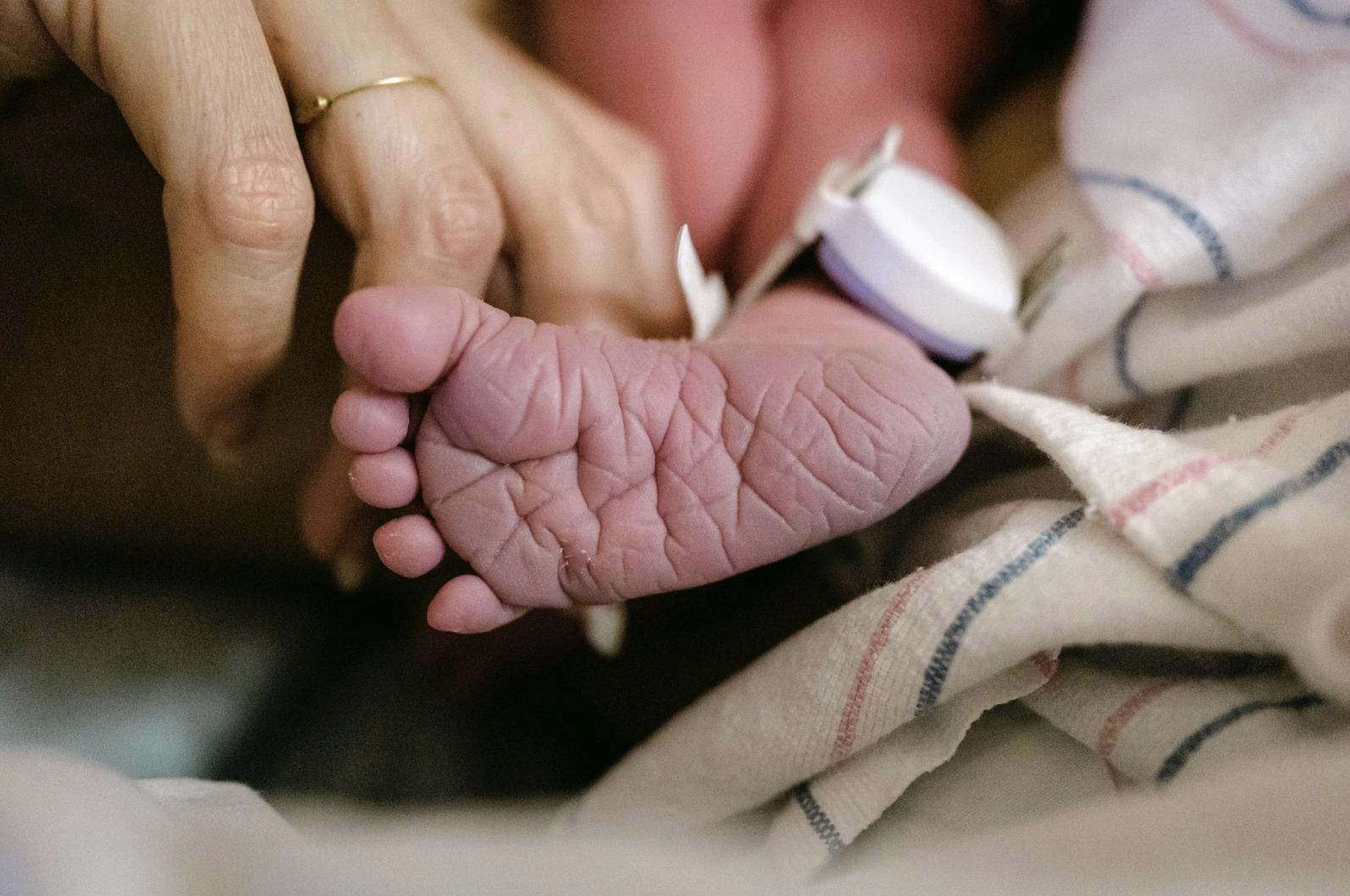
Becoming a parent. Becoming a parent reshapes nearly every part of your life — identity, career, relationships, sense of time, body, friendships, what matters. The shift is rarely linear, and it doesn't always come with the feelings the world expects you to have.
Career changes and burnout. The work that used to fit doesn't anymore. The role you trained for isn't what you want. The promotion arrived and left you flat. Burnout, stagnation, and ambition that's outgrown its container are all common reasons people come to therapy.
Relationship transitions. Getting married, ending a relationship, deciding to have a child or not, figuring out how to be in a partnership when you've changed and your partner has changed, navigating new family configurations.
Loss and grief. Not only the death of someone close, but also the smaller losses — friendships that fade, the version of your life that didn't happen, the parents you wish you'd had, the body that used to feel familiar.
Starting or graduating from school. Starting or graduating from college or grad school is often a time for celebration but it also comes with big questions about what is next. It can lead to unsteadiness or “what now”.
Recently moved or recently here. Life in a new city, a new country, or a new chapter, with all the loss and possibility that comes with starting over.
Becoming who you're becoming. Sometimes the transition isn't to a specific new role — it's the slower work of figuring out what kind of adult you want to be, what you actually value, what you want your life to feel like. This is some of the most important work people do in therapy and some of the hardest to name from the outside.
How I work with transitions
Transition work tends to be less about resolving symptoms and more about finding language. A lot of it is about slowing down enough to notice what's actually going on — what you're grieving, what you're wanting, what you're afraid of, what you're moving toward.
I draw on relational, psychodynamic, and somatic frameworks for this kind of work. The questions that come up — who am I now? what do I actually want? what am I supposed to do with this feeling? — don't usually have quick answers. They have answers that emerge over time, in conversation, in a relationship that holds space for them.
If you're in a transition and want support, reach out to schedule a consultation call.